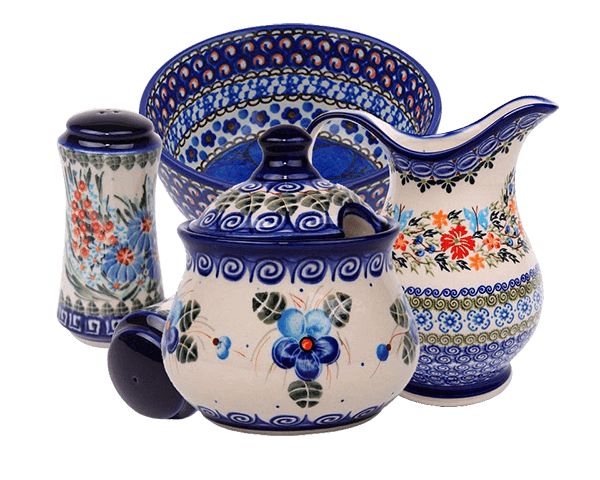
Polish pottery, renowned for its intricate patterns, vibrant colors, and exceptional durability, has a rich history dating back centuries. Originating from the small town of Bolesławiec in southwestern Poland, this unique ceramic art has captivated collectors and homeware enthusiasts worldwide. Its timeless appeal and handcrafted quality make Polish pottery a cherished tradition that continues to thrive today.
The Origins of Polish Pottery
The history of Polish pottery can be traced back to the early Middle Ages. Archaeological findings suggest that ceramic production in Bolesławiec began as early as the 7th century. The town, located in the Lower Silesian region, provided the ideal environment for pottery making, thanks to its abundant natural clay deposits. These high-quality raw materials laid the foundation for what would later become a flourishing craft.
During the Renaissance period, local artisans refined their techniques, and Bolesławiec pottery gained recognition for its distinctive decorative style. The 18th and 19th centuries saw further advancements, with the introduction of new glazing methods and intricate hand-painted designs that are now synonymous with Polish pottery.
The Unique Craftsmanship of Polish Pottery
What sets Polish pottery apart is the meticulous craftsmanship involved in its production. Each piece is handmade using a time-honored process that has been passed down through generations. The steps involved in crafting Polish pottery include:
1. Clay Preparation
The process begins with the selection and preparation of high-quality clay. This clay is carefully shaped into various forms, including plates, bowls, mugs, and decorative items. Skilled artisans use traditional molding techniques to ensure uniformity while preserving the handcrafted essence of each piece.
2. Hand-Painting and Stamping
One of the most distinctive features of Polish pottery is its intricate hand-painted designs. Artisans use a sponge-stamping technique to create symmetrical patterns, often inspired by nature. Popular motifs include flowers, leaves, dots, and geometric shapes. Each piece is painted with lead-free, eco-friendly glazes, ensuring both safety and longevity.
3. Glazing and Firing
Once painted, the pottery is coated with a protective glaze, enhancing its durability and making it resistant to chipping and scratching. The final step involves firing the pottery at high temperatures—typically over 1,200 degrees Celsius. This process not only strengthens the ceramic but also gives it a glossy, smooth finish that enhances the vibrancy of its colors.
The Timeless Appeal of Polish Pottery
Polish pottery is more than just kitchenware; it is a symbol of artistry, tradition, and functionality. Its popularity has grown far beyond Poland, with collectors and enthusiasts from around the world seeking out these unique, handcrafted pieces. Some key reasons why Polish pottery remains highly sought after include:
- Durability – High-temperature firing makes Polish pottery resistant to heat, scratches, and cracks, making it suitable for everyday use.
- Versatility – From elegant dinnerware to charming decorative pieces, Polish pottery complements a wide range of home styles and settings.
- Uniqueness – Since each piece is handcrafted, no two items are exactly alike, adding to their individuality and charm.
- Collectibility – Many people enjoy building collections of Polish pottery, valuing both its beauty and historical significance.
Where to Buy Authentic Polish Pottery in the UK
If you’re looking to purchase authentic Polish pottery in the UK, it’s essential to choose a reputable retailer to ensure quality and authenticity. One excellent option is BCV Bolesławiec Pottery, an online store offering a wide selection of handcrafted Polish pottery directly from Bolesławiec. Whether you’re searching for everyday kitchenware or unique decorative pieces, this store provides a diverse range of products that showcase the beauty and craftsmanship of traditional Polish pottery.